Resources
Whether you just welcomed home a Rovers Return pup, are preparing to adopt, need support with a shy or anxious dog, or simply want to help dogs in your own community, this page gathers practical guides, how-tos, and care tips to help every step of the way.
Welcome
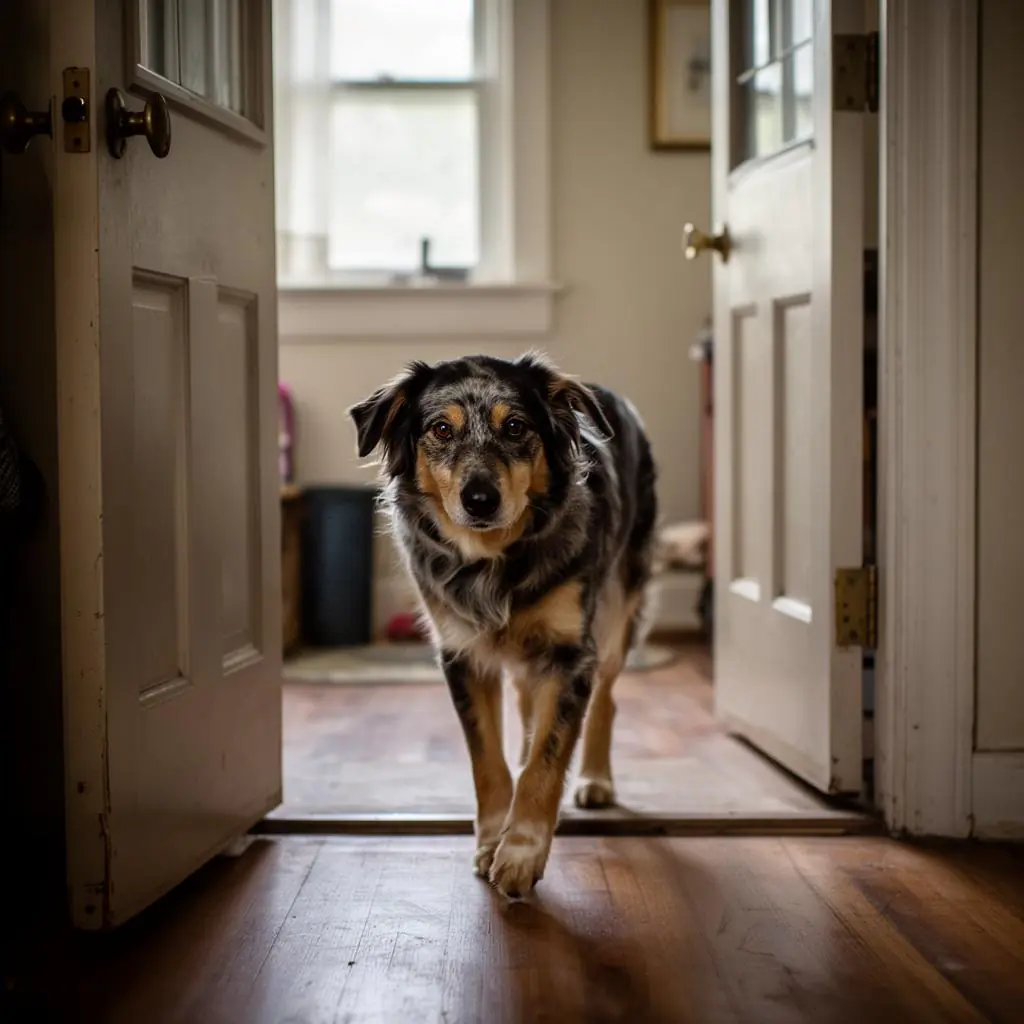
Welcome Home Guide
Start here for adoption day, first-week decompression, lost dog safety, and the simple routines that help a rescue dog settle in.
Download PDF GuideFirst Days
- •Keep homecoming calm, quiet, and structured.
- •Use predictable meal, potty, sleep, and walk routines.
- •Give your dog space to decompress before adding new activities.
Safety Basics
- •Use a martingale collar and leash on day one.
- •Supervise outdoor time until your dog understands this is home.
- •Contact Rovers Return immediately if your dog escapes.
This guide is the best first download for new adopters.

Welcome
Getting to Know Your New Dog
Bringing a rescue dog into your home is joyful and a big adjustment. This guide helps you understand your new dog's behavior and needs in the first weeks at home.
Download PDF GuideSettling In
- •Give your dog a quiet, safe space of their own.
- •Allow them to explore at their pace without forcing interactions.
- •Keep routines consistent so meals, walks, and sleep build trust.
Reading Their Signals
- •Tail up and wagging can mean attention or curiosity.
- •Tucked tail, yawning, or lip licking can signal stress.
- •Growling means discomfort. Slow down and give space.
Understanding your dog's history, as much as you can, helps interpret behaviors.
Welcome
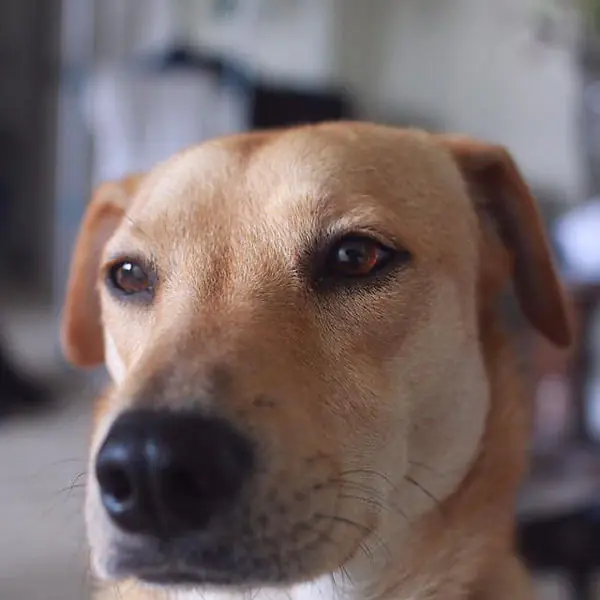
A Letter From Your New Dog
A short, compassionate guide written from your new dog's point of view, with reminders about patience, safety, food, kennel time, and introductions.
Download PDF GuideStart Slowly
- •Keep the first two weeks simple while your dog learns home and family.
- •Use gentle leadership and treats instead of pressure.
- •Delay busy outings until your dog has a stable routine.
New Home Basics
- •Show your dog where to potty and praise the right choice.
- •Feed in a quiet kennel when that helps your dog feel secure.
- •Introduce new dogs and people with patience and structure.
Puppies
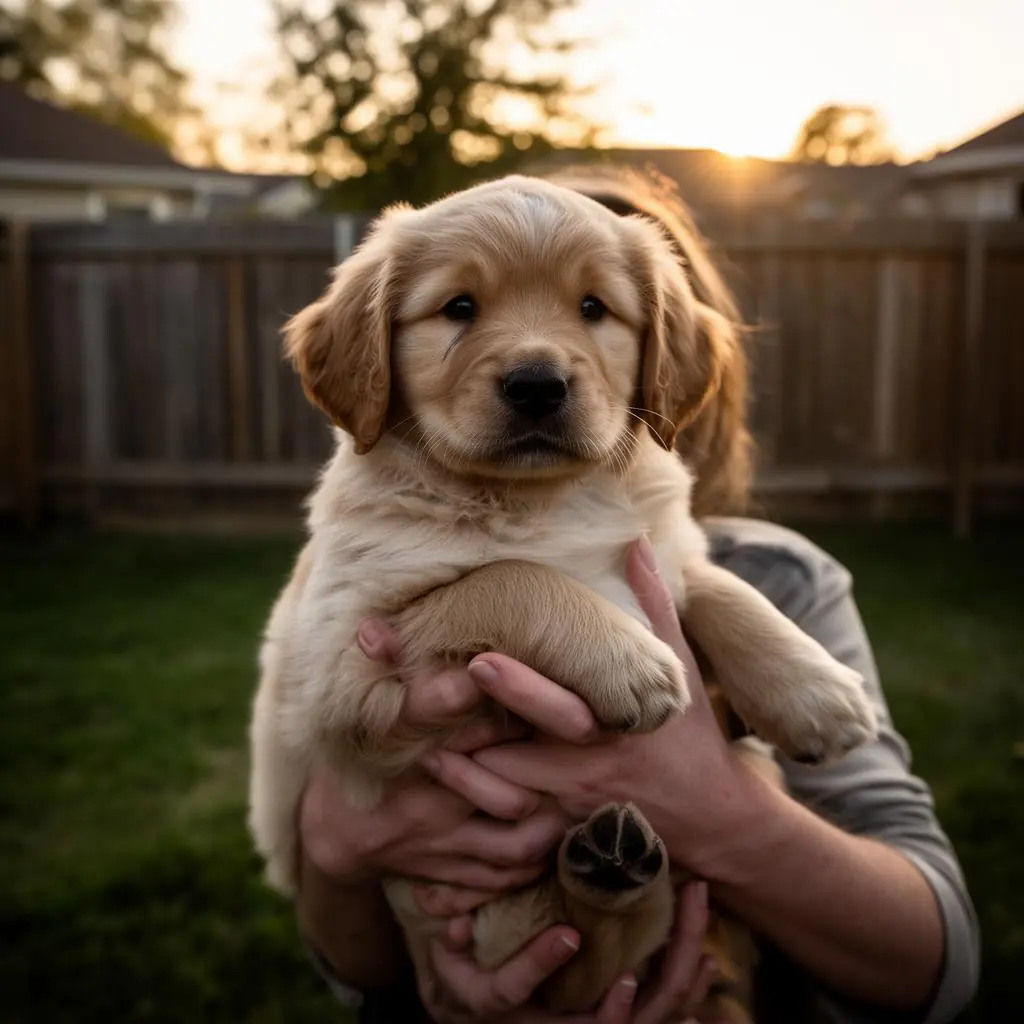
Puppy Socialization Before Full Vaccination
Help puppies meet the world safely while their vaccine series is still in progress and they are not fully protected.
Download PDF GuideExposure Without Risk
- •Do not put paws on the ground in public places yet.
- •Avoid dog parks, pet stores, and areas used by unknown dogs.
- •Use safe sights, sounds, handling, and carried outings for confidence.
Vaccination Timing
- •Puppies usually need several boosters before full protection.
- •Keep vaccine appointments on schedule every few weeks.
- •Ask Rovers Return or your veterinarian if timing is unclear.
Puppies
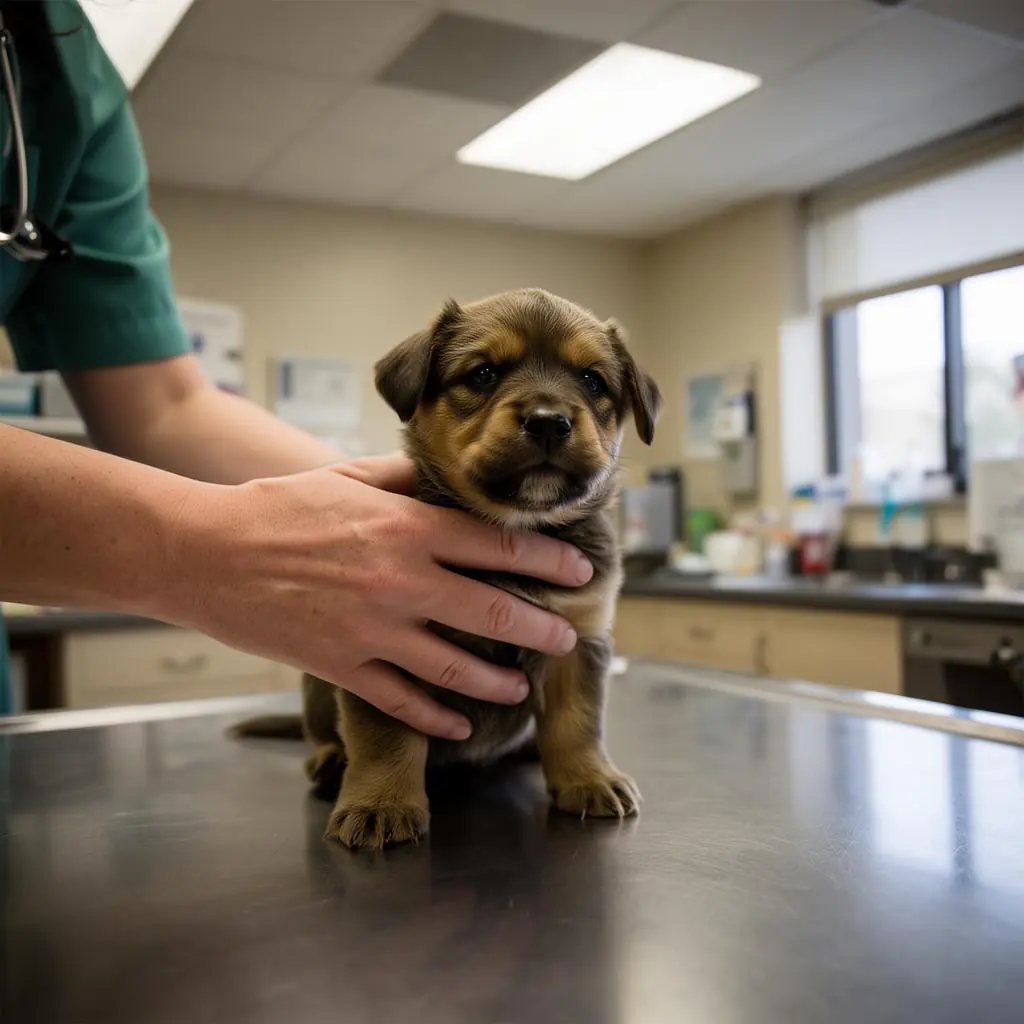
Puppy Vaccine Guide
A straightforward schedule for puppy core vaccines, rabies timing, boosters, and public-exposure precautions.
Download PDF GuideCore Schedule
- •Start DHPP around 6 to 8 weeks, or 6 weeks for higher-risk puppies.
- •Boost every 3 to 4 weeks until at least 16 weeks old.
- •Rabies is typically given at 12 to 16 weeks and is required by law.
Protection Notes
- •Do not stop early because a puppy looks healthy.
- •If history is unknown, assume unvaccinated and start the series.
- •Avoid public dog areas until after the final booster window.
Puppies
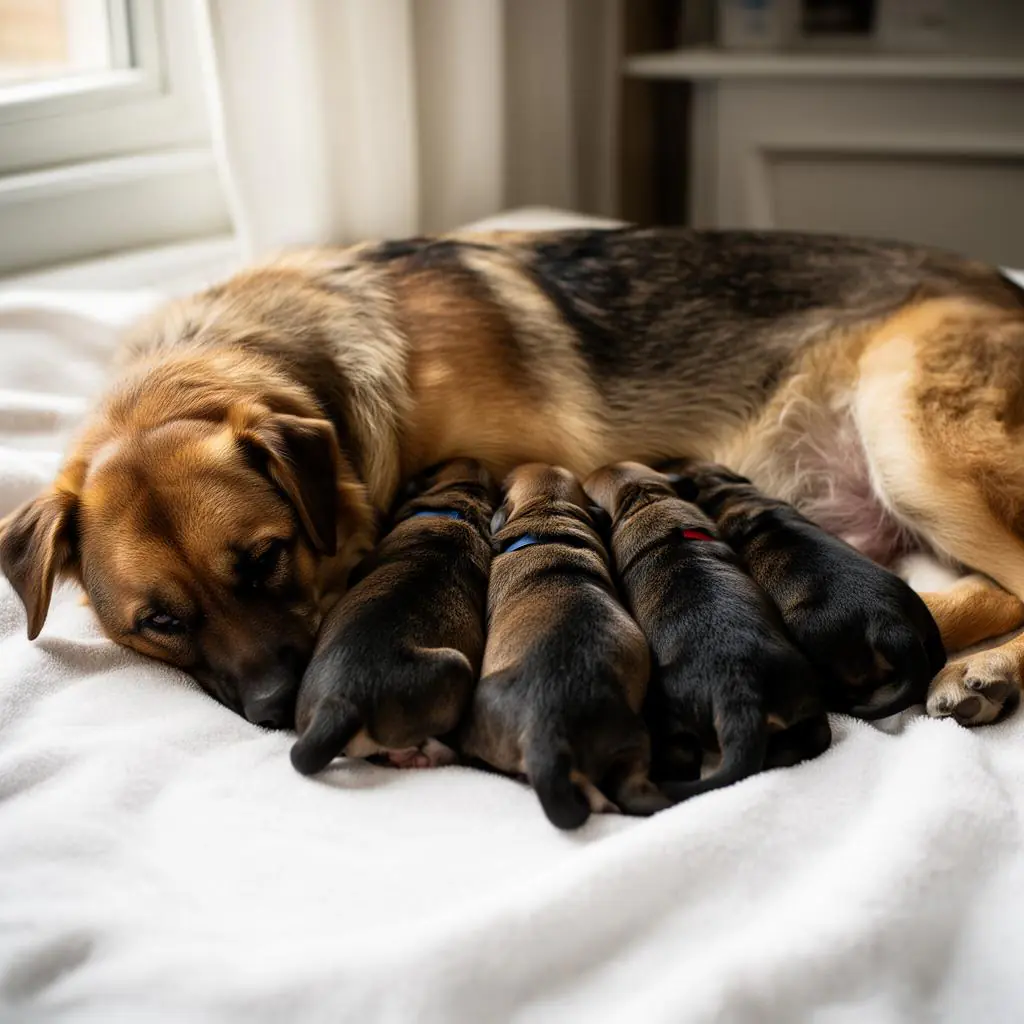
Mom and Puppies Care Guide
Simple, practical care for nursing moms and puppies from newborn warmth through weaning, vaccines, and emergency warning signs.
Download PDF GuideEarly Care
- •Keep puppies warm, clean, fed, and with mom.
- •Begin puppy mush around weeks 4 to 5.
- •Do not separate or rehome puppies before 8 weeks.
When to Act Fast
- •Watch for constant crying, cold body temperature, or weakness.
- •Treat not eating, diarrhea, or distress as urgent.
- •Seek veterinary assistance for illness, injury, or uncertainty.
Training
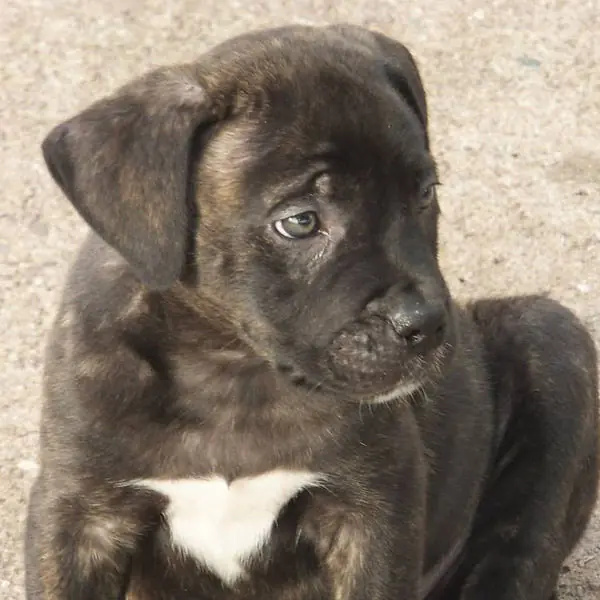
Puppy Potty Training
Puppies are smart and want to learn. Use a repeatable schedule, clear cues, supervision, and immediate rewards to teach where and when to potty.
Download PDF GuideSet a Schedule
- •Take puppies out first thing in the morning and before bedtime.
- •Go out after eating, drinking, naps, and play sessions.
- •Feed meals at consistent times so potty timing is more predictable.
Reward the Right Choice
- •Use a leash so you are close enough to praise immediately.
- •Reward outdoor potty before coming back inside.
- •Clean accidents with enzymatic cleaner and avoid punishment.
Consistency plus patience is the whole magic trick.
Training
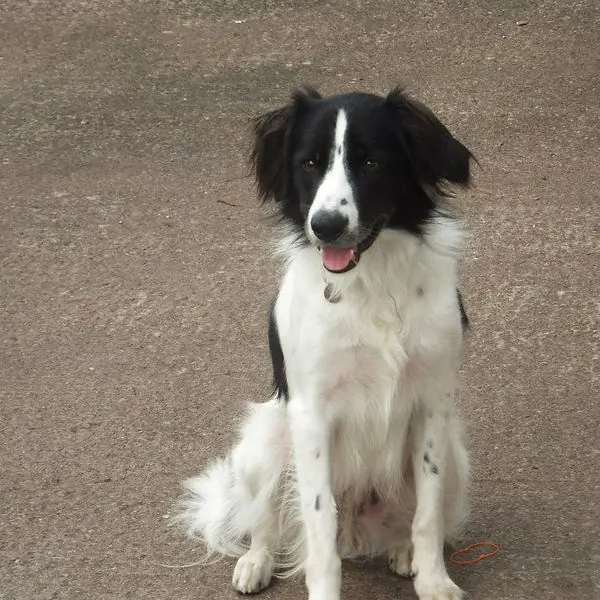
Adult Dog Potty Training
Adult dogs may arrive with past habits, stress, or no clear house-training history. This guide rebuilds routines with structure and kindness.
Download PDF GuideRe-establish Routines
- •Feed at regular times and take your dog out on a consistent schedule.
- •Use calm, clear cues such as "Go potty."
- •Limit freedom until house training is reliable.
Troubleshooting
- •Watch for sniffing, circling, whining, pacing, or sitting by the door.
- •Return to basics if stress or change causes regression.
- •Check with a veterinarian if accidents continue.
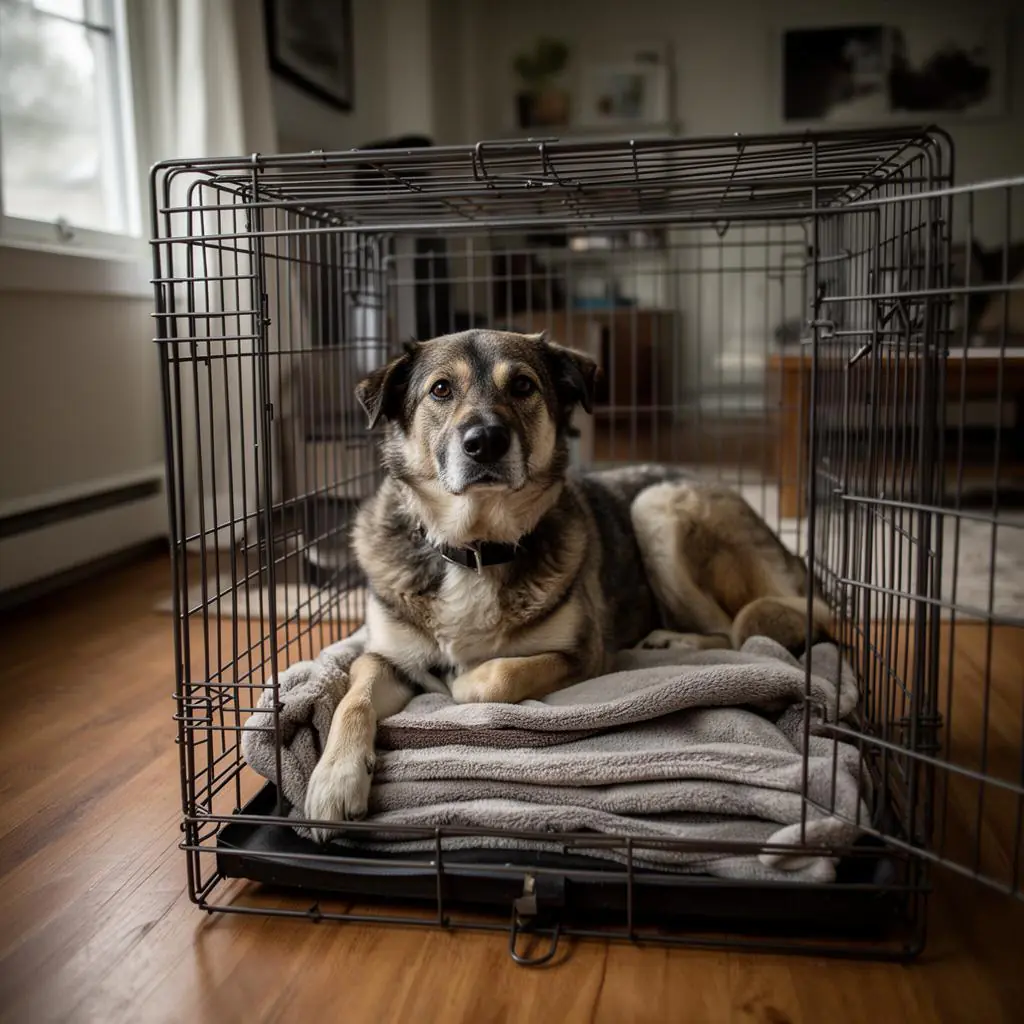
Training
Crate Training
Crate training isn't about putting your dog in a cage. It's about teaching them that they have a safe, familiar place of their own. A place to relax, sleep, and feel secure.
Download PDF GuideSimple Steps for Success
- •Place the crate in a quiet area with the door open, a soft bed, and a few tasty treats.
- •Start with short periods with the door closed, then gradually increase the time.
- •Use the crate regularly for naps, overnight, and when you are away.
Choose the Right Size
- •Your dog should be able to stand up, turn around, and lie down comfortably.
- •Not so large that one end becomes a bathroom and the other a bed.
- •Adjust the size as your puppy grows.
Done properly, crate training isn't cruel. It's a life skill.
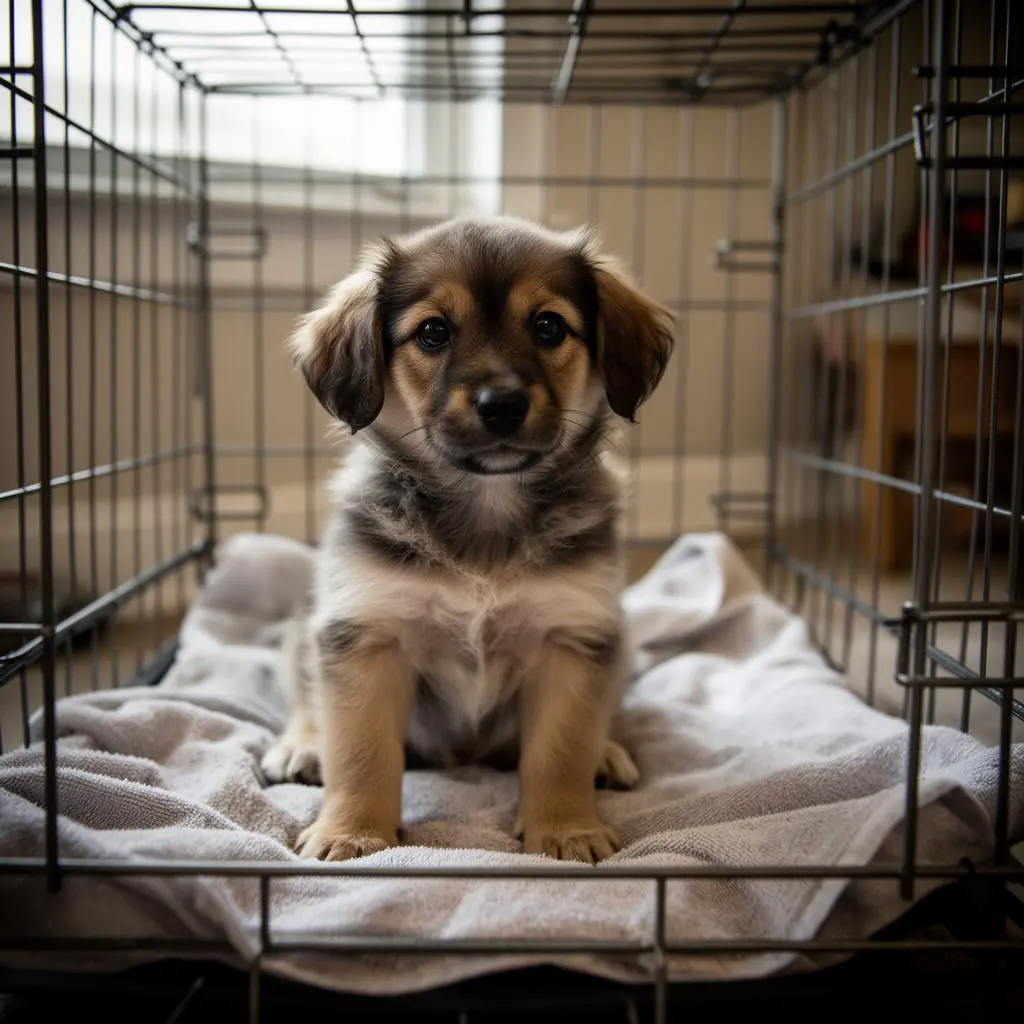
Training
Puppy Crate Training and Accident Prevention
When a puppy starts having crate accidents, this guide helps identify routine, setup, anxiety, cleaning, and medical causes.
Download PDF GuideFind the Cause
- •Check crate size, feeding timing, and how long the puppy is confined.
- •Use enzyme cleaner so odor does not mark the crate as a potty spot.
- •Consider anxiety, diet changes, parasites, or illness.
Reset the Routine
- •Feed at the same times and take the puppy out after meals.
- •Keep a potty log for a few days to see patterns.
- •Praise every outdoor success and keep crate sessions success focused.
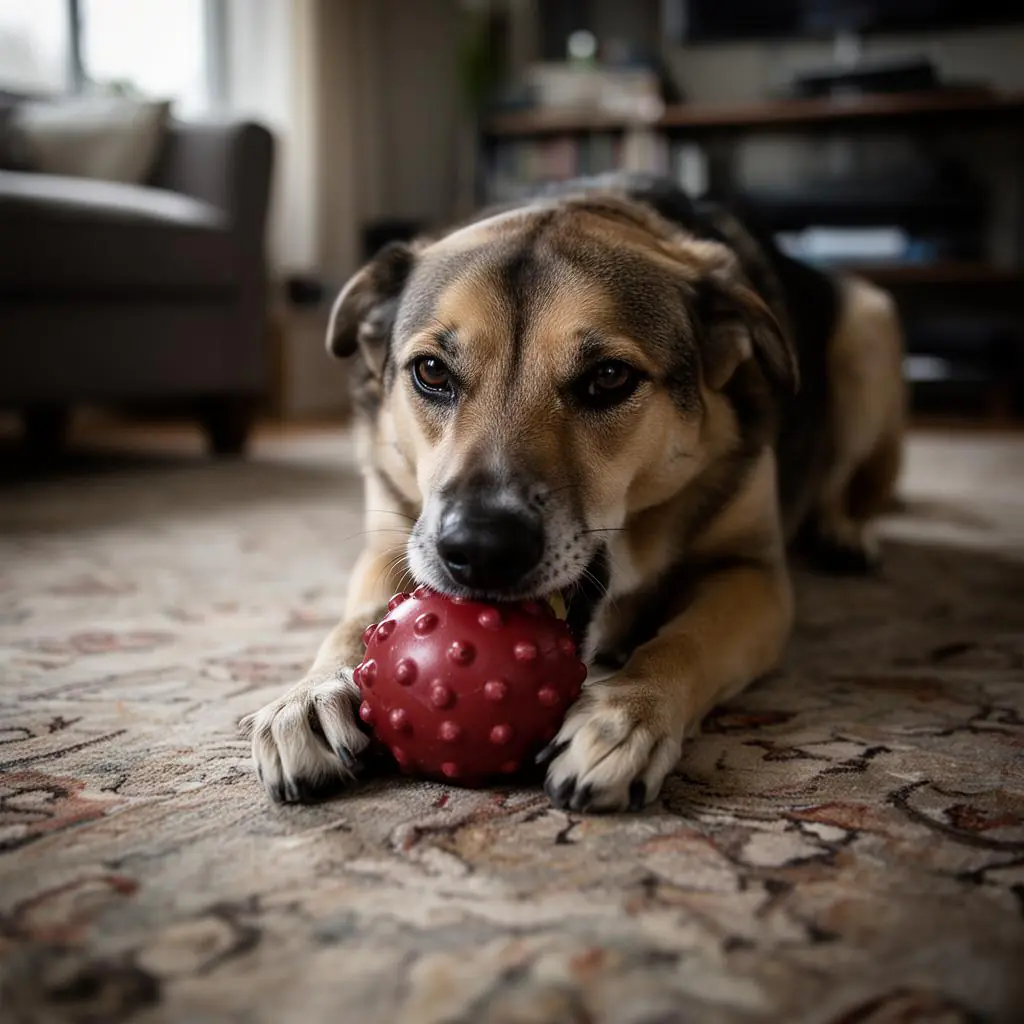
Training
Preventing Destructive Chewing
Redirect chewing, protect tempting items, and give dogs enough physical exercise and mental work to choose the right outlets.
Download PDF GuideCore Rules
- •Provide appropriate chew options and rotate toys to reduce boredom.
- •Prevent access to shoes, cords, remotes, and other tempting items.
- •Redirect calmly to an approved toy and praise the right choice.
Daily Support
- •Use walks, play, puzzle feeders, and short training sessions.
- •Supervise until trustworthy, then increase freedom gradually.
- •Keep everyone in the household consistent.
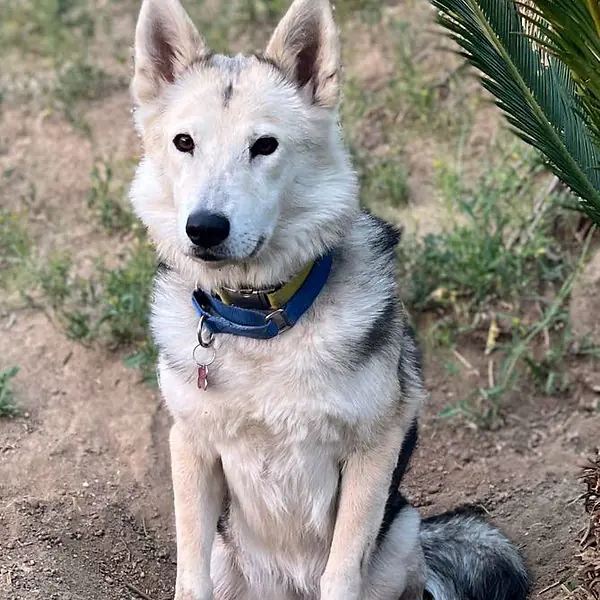
Behavior
Helping a Shy or Skittish Dog
Some dogs arrive unsure of the world, especially after hard experiences or unstable homes. This guide gives gentle, effective ways to support them.
Download PDF GuideCreate a Safe Base
- •Offer a quiet room, bed, or crate where the dog can retreat.
- •Use soft voices, calm body language, and high-value treats.
- •Let your dog approach instead of rushing contact.
Build Confidence
- •Respect lip licking, yawning, panting, tail tucking, and avoidance.
- •Keep routines predictable and introductions slow.
- •Use careful leash and martingale safety in the first days home.
With time, consistency, and compassion, many shy dogs become confident family members.
Community
Feeding Strays Safely
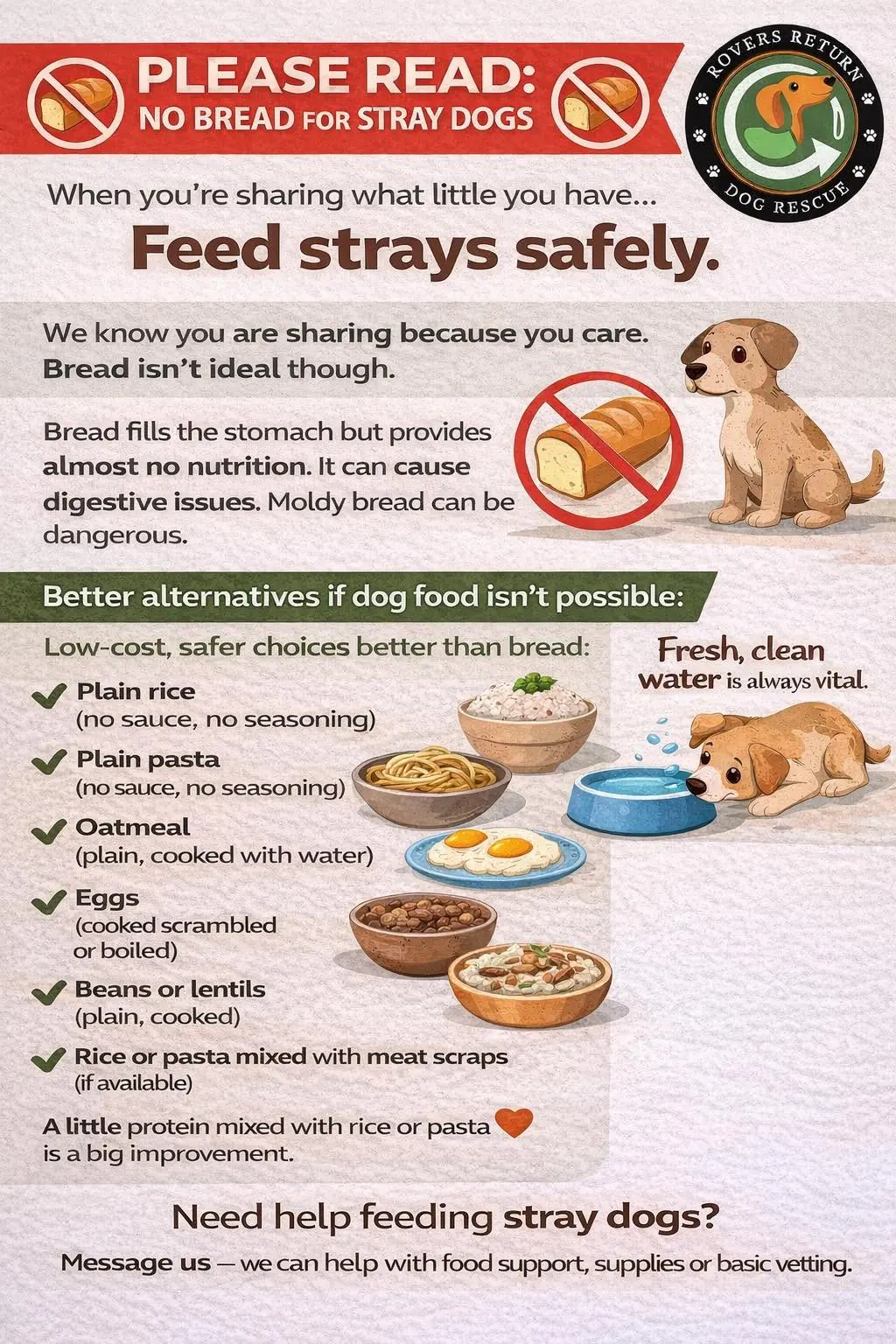
If you're sharing food with a stray or community dog, skip the bread. It fills the stomach but offers almost no nutrition, and moldy bread can be dangerous.
Download PDF GuideWhat to Avoid
- •Bread fills the stomach but provides almost no nutrition.
- •It can cause digestive issues.
- •Moldy bread can be dangerous.
Safer Choices
- •Plain rice, pasta, or oatmeal, cooked without sauce or seasoning.
- •Eggs, beans, or lentils, plain and cooked.
- •Fresh, clean water is always vital.
Need help feeding strays? Message us — we can help with food support, supplies, or basic vetting.
Community
Microchips Save Lives
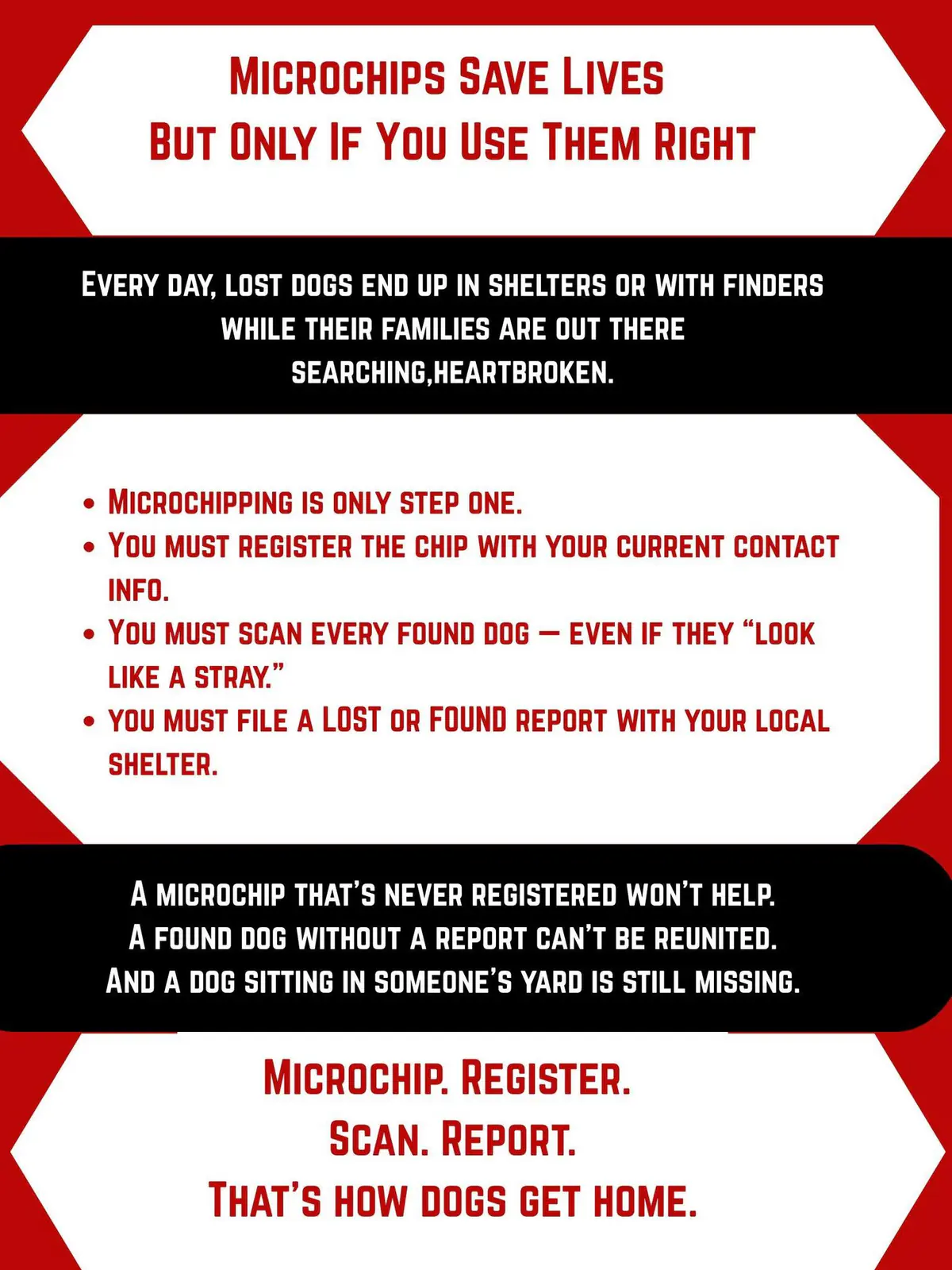
Microchipping is only step one. A microchip that's never registered, or a found dog that's never reported, cannot bring a dog home.
Download PDF GuideRegister and Scan
- •Register the chip with your current contact info.
- •Scan every found dog, even if they "look like a stray."
- •File a lost or found report with your local shelter.
Why It Matters
- •A microchip that's never registered won't help.
- •A found dog without a report can't be reunited.
- •A dog sitting in someone's yard is still missing.
Microchip. Register. Scan. Report. That's how dogs get home.
Still Have Questions?
We're here to help you and your dog thrive, from managing behavior challenges to making that first night home comfortable.
Contact Us